GETTING TO KNOW THE MINIATURE SCHNAUZER

GETTING TO KNOW THE MINIATURE SCHNAUZER
— Is the Miniature Schnauzer a toy breed? How tall and heavy are these dogs?

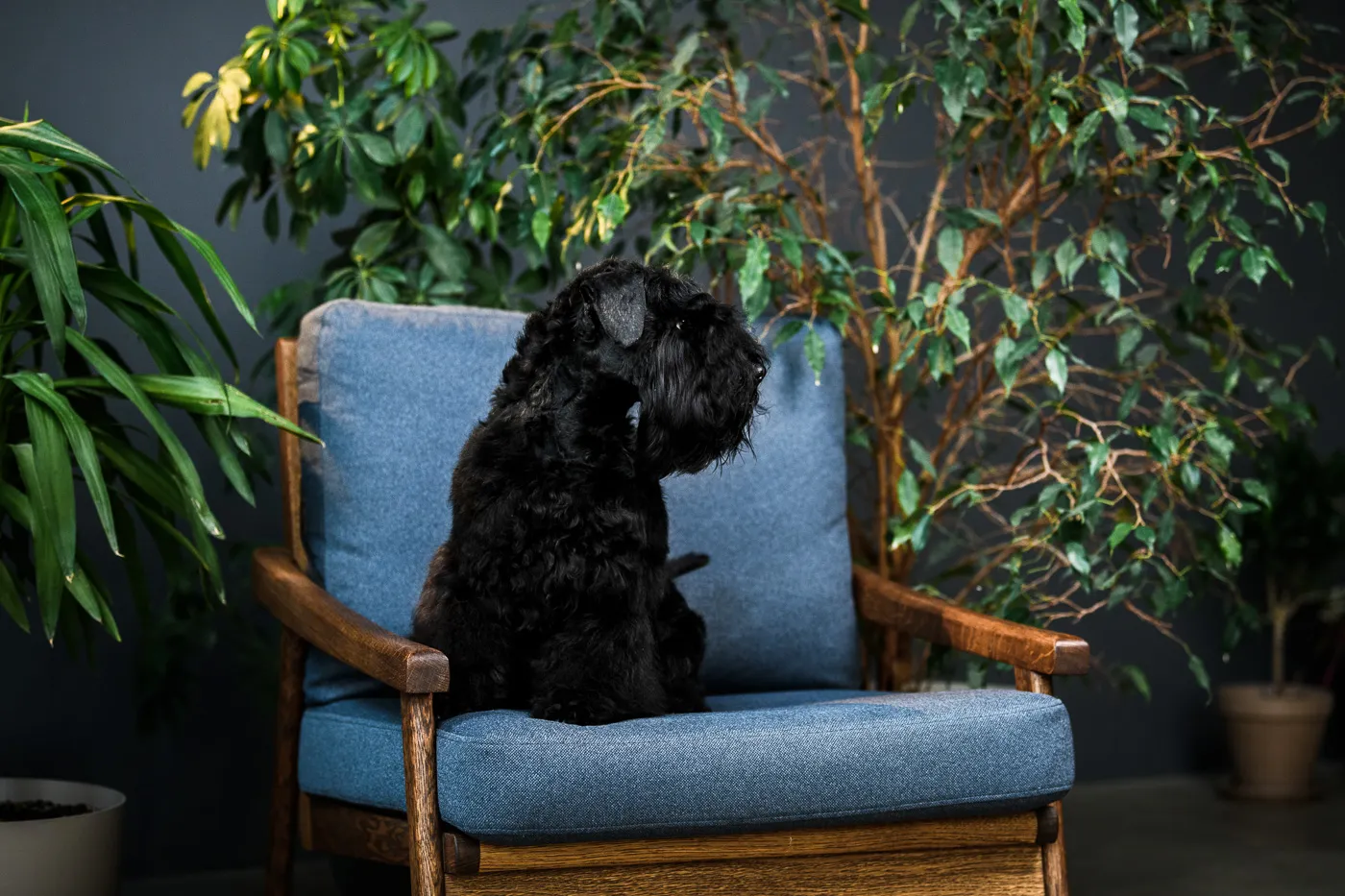
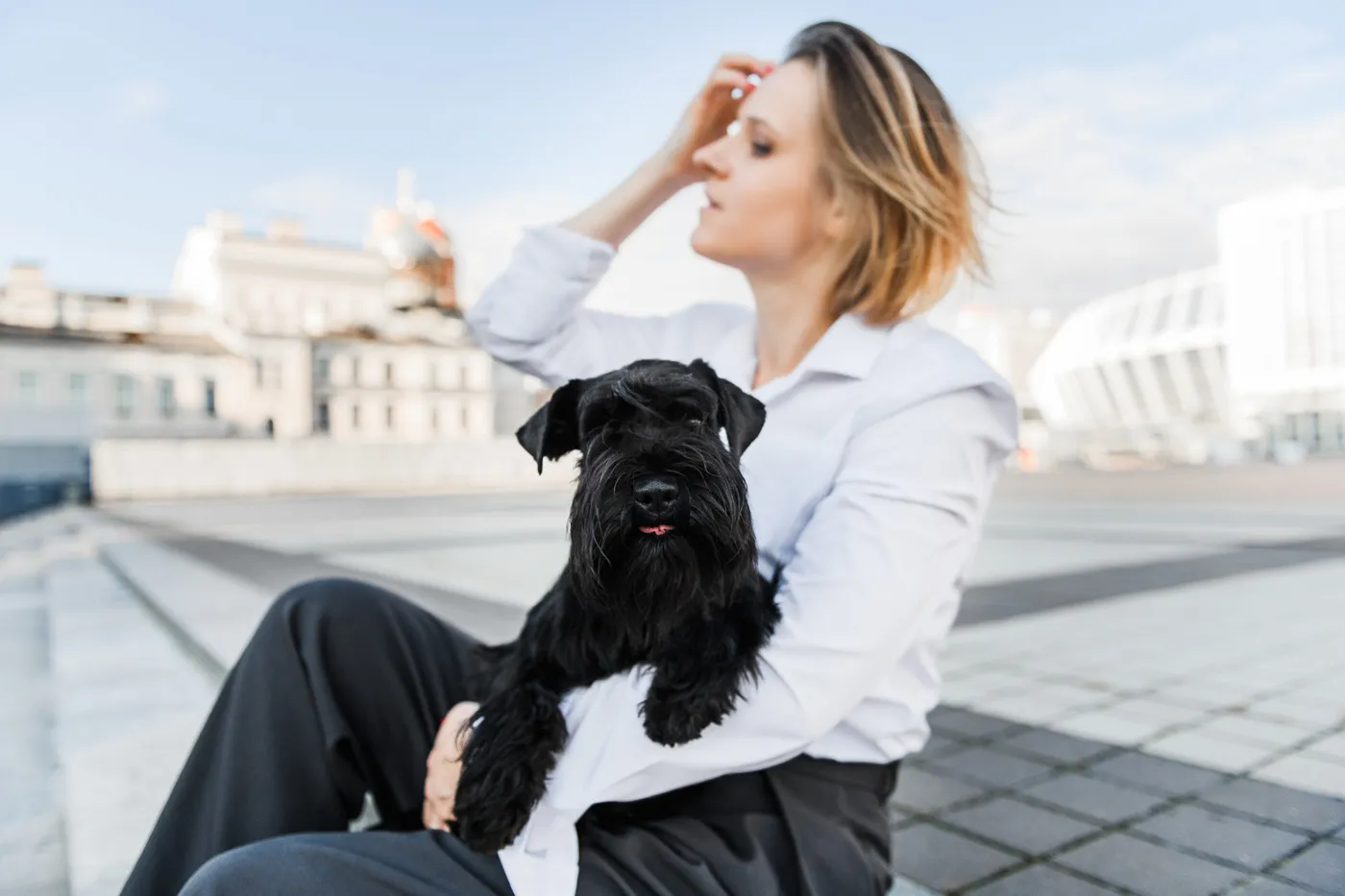
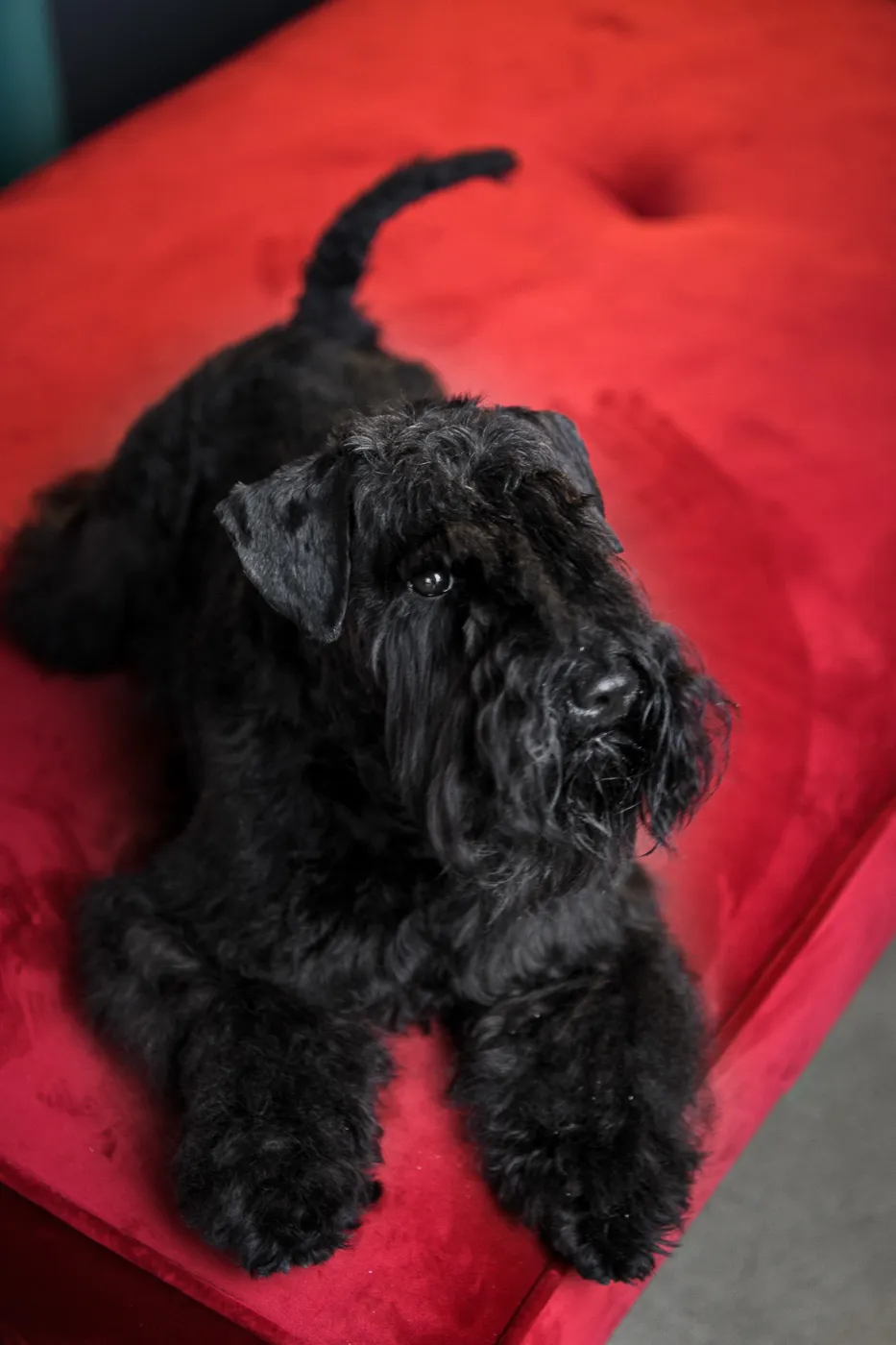
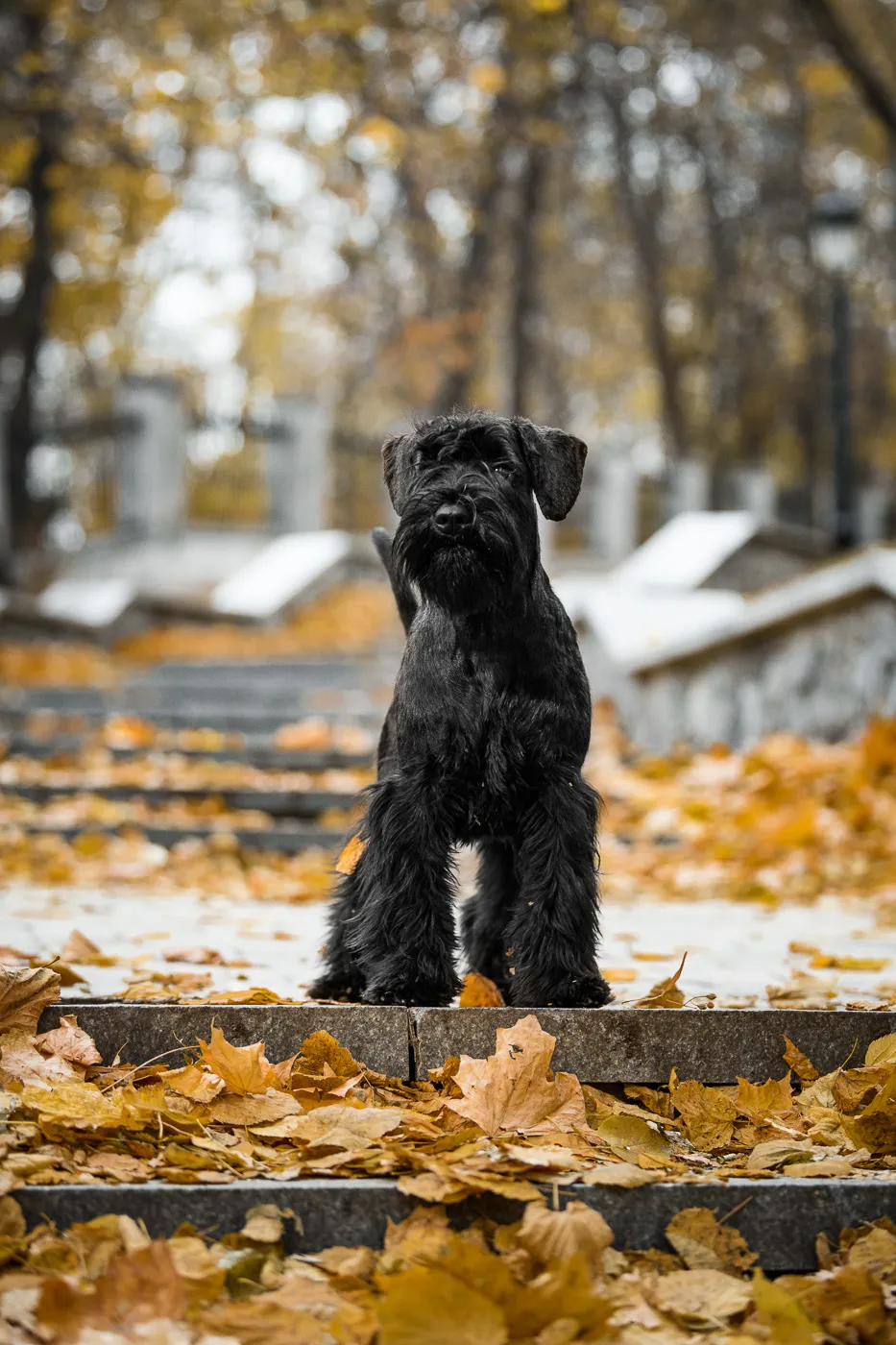
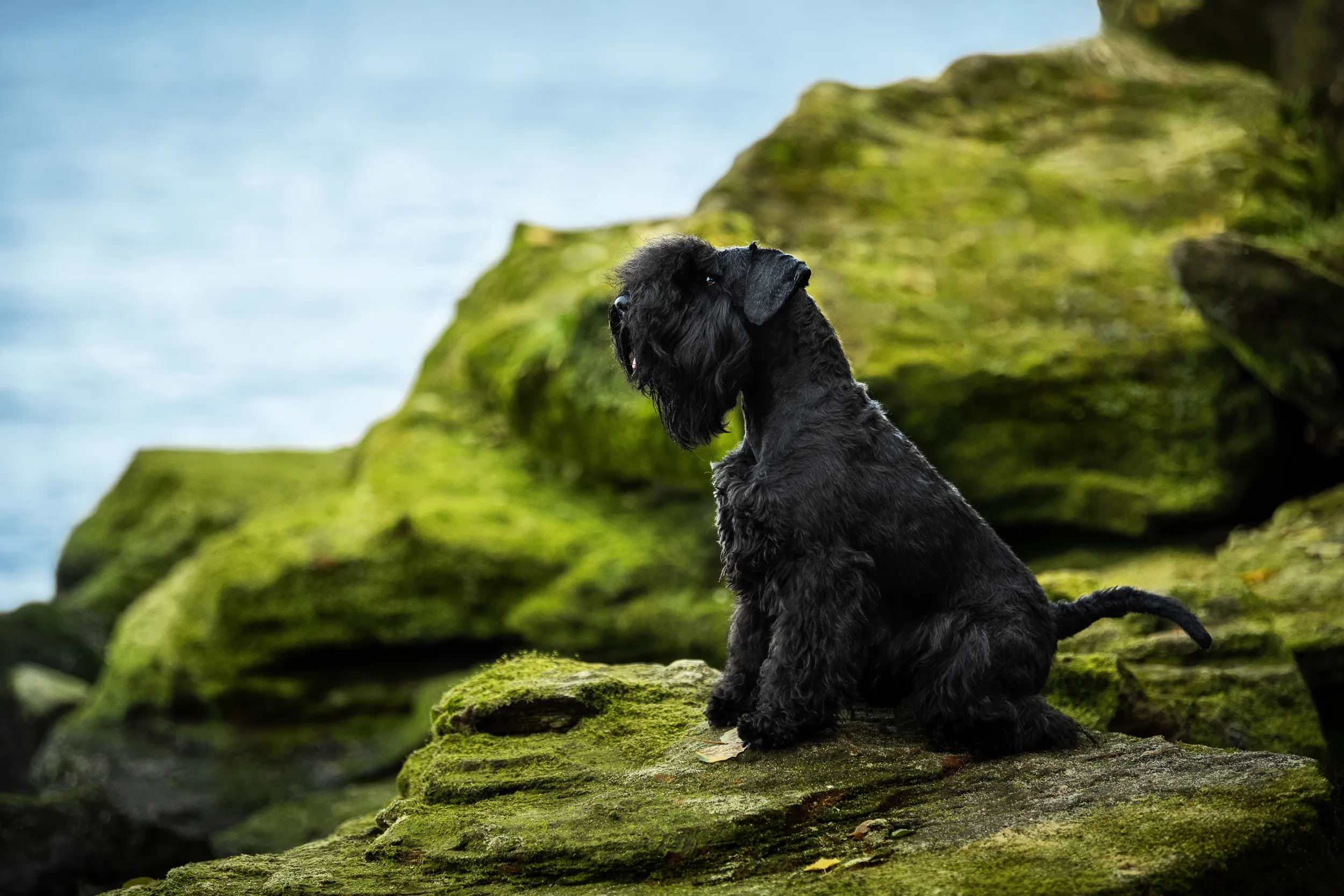
The Miniature Schnauzer is the smallest of the Schnauzer breeds, alongside the Standard and Giant Schnauzers. It stands about 32–36 cm at the withers and usually weighs around 7–9 kg.

Is the Miniature Schnauzer a toy breed? How tall and heavy are these dogs?

Despite its name, this is not a toy breed. The breed was developed as a large dog in a small body: sturdy, athletic, enduring, and active. Miniature Schnauzers often see themselves as equal to much larger dogs.

They are mentally steady, playful, trainable, and adaptable. They are also recognized as the smallest working breed and may take part in detection work or guard their home. Basic training helps channel their intelligence, and they are happy to join their owners in dog sports.

Is a Miniature Schnauzer the right dog for me?

— Is a Miniature Schnauzer the right dog for me?

A Miniature Schnauzer may not suit someone looking for a quiet, effortless lap dog. This is an individual, clever, energetic dog that needs attention, education, activity, and communication with its owner.

If you want a small dog that needs little exercise or grooming, consider the breed’s real needs first. A Schnauzer should have time to walk, play, learn, and use its energy. With patient training and a strong relationship, it can become a comfortable and loyal family companion.

What is the typical character of this breed?

— What is the typical character of this breed?

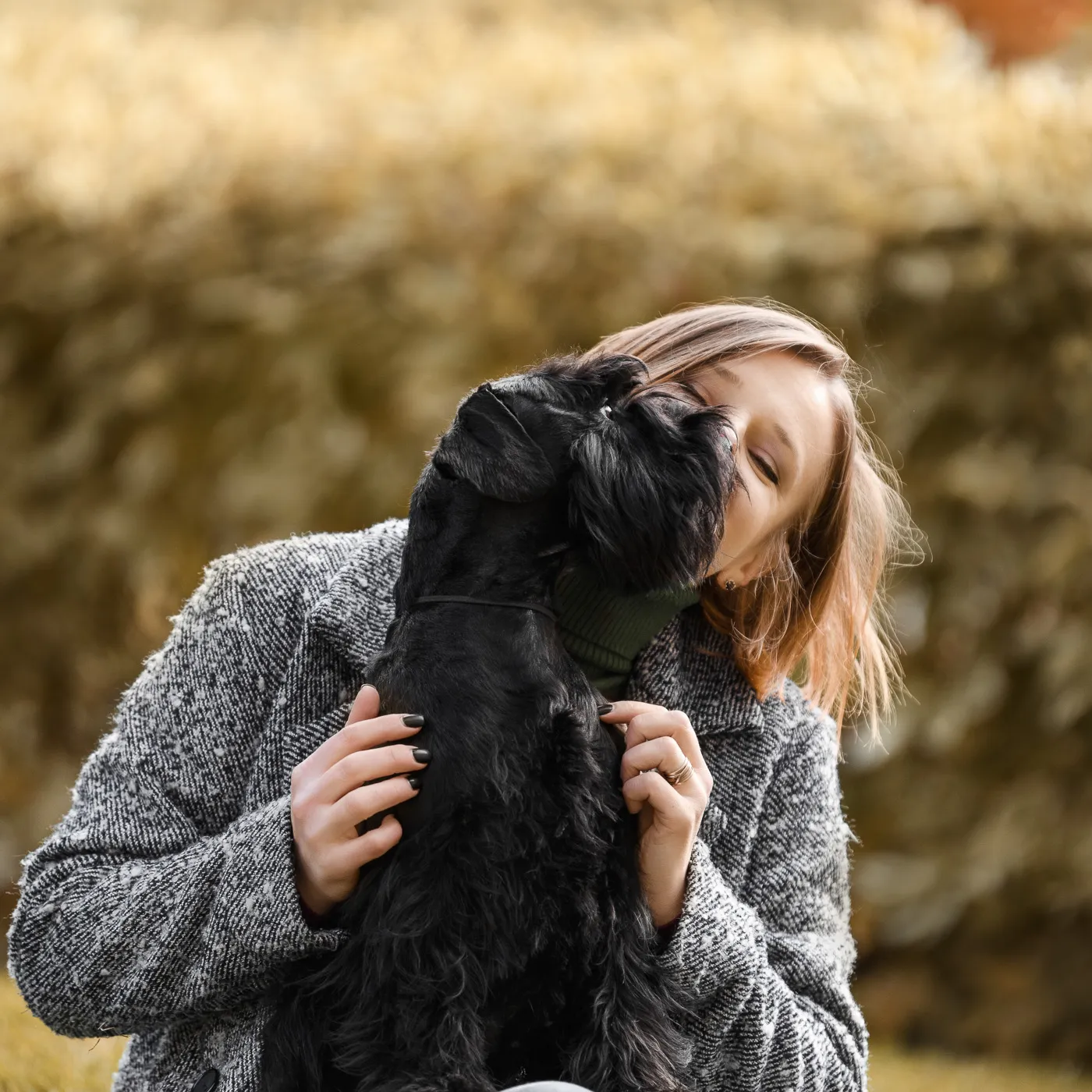
In short, Miniature Schnauzers have wonderful, lively characters. They are active, positive companions who pay close attention to their owners and may be cautious around strangers.

They are intelligent and observant, often learning the household routine quickly. They enjoy being involved in family life and benefit from consistent training, socialization, and activities that challenge both mind and body.

Can Miniature Schnauzers have behavioral problems? What are the common ones?

— Can Miniature Schnauzers have behavioral problems? What are the common ones?

Although the breed has many appealing traits, some common challenges deserve attention. Miniature Schnauzers can be vocal and may bark at small things that irritate or excite them. Without thoughtful training and socialization, this behavior can become a habit.

Daily, consistent socialization can help a young dog learn to stay calm. A well-raised Schnauzer can learn a quiet cue and behave appropriately in public. Choose a responsible breeder and follow their advice on early socialization.

Some dogs may also feel uncomfortable around unfamiliar young children, especially if they have had little positive contact with children. Introductions should be calm and supervised, and children should learn how to treat a dog gently.

Can Miniature Schnauzers have behavioral problems? What are the common ones?
Does the character of Miniature Schnauzers differ by coat color?

— Does the character of Miniature Schnauzers differ by coat color?

The breed standard recognizes four colors: pepper and salt, black and silver, black, and white. People sometimes attribute different temperaments to different colors, but color alone does not determine a dog’s character.

Temperament is shaped by heredity, early development, socialization, and the way a dog is raised. When choosing a puppy, pay attention to the parents’ behavior and the breeder’s approach, rather than choosing by coat color alone.

Can a Miniature Schnauzer be a first dog for someone without dog experience?

— Can a Miniature Schnauzer be a first dog for someone without dog experience?

Yes, a Miniature Schnauzer can live with a first-time owner, provided the person is ready to learn and invest time in the dog. The breed is smart and trainable, but it needs clear boundaries, regular activity, and early socialization.

Future owners should seek guidance from the breeder and be prepared to continue training after the puppy comes home. A thoughtful start helps build a confident, well-mannered companion.

Can I get a Miniature Schnauzer if I have a young child or children of different ages?

— Can I get a Miniature Schnauzer if I have a young child or children of different ages?

Many Miniature Schnauzers live happily with children, but every dog and family is different. Children need to understand how to approach, touch, and play with a puppy safely, and an adult should supervise their interactions.

Dogs also need a quiet place where they can rest without being disturbed. Early, positive exposure to children can help a puppy feel comfortable, but no dog should be expected to tolerate rough handling.

Can I get a Miniature Schnauzer if I have a young child or children of different ages?
How active are Miniature Schnauzers? How much daily exercise do they need?

— How active are Miniature Schnauzers? How much daily exercise do they need?

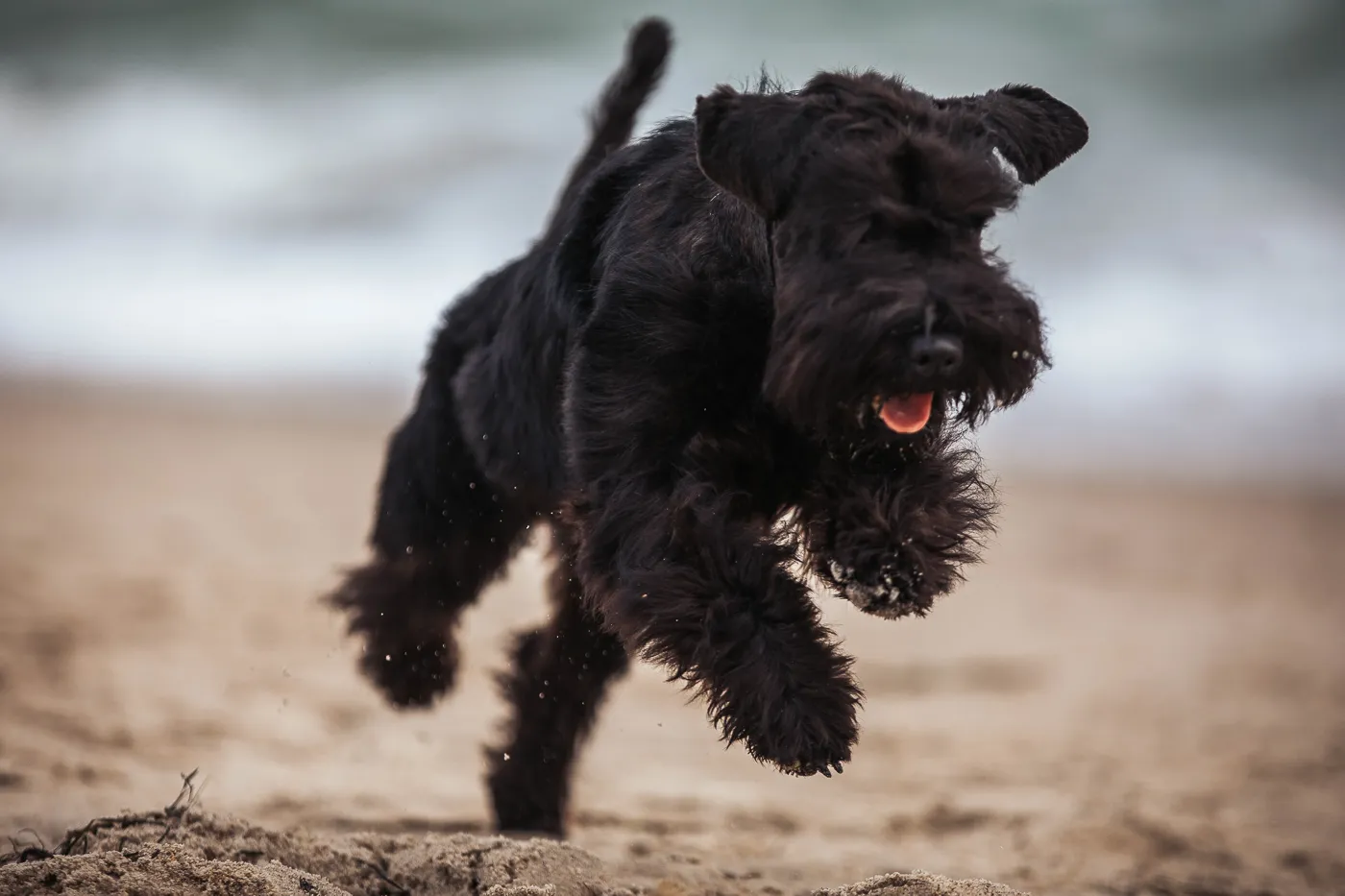
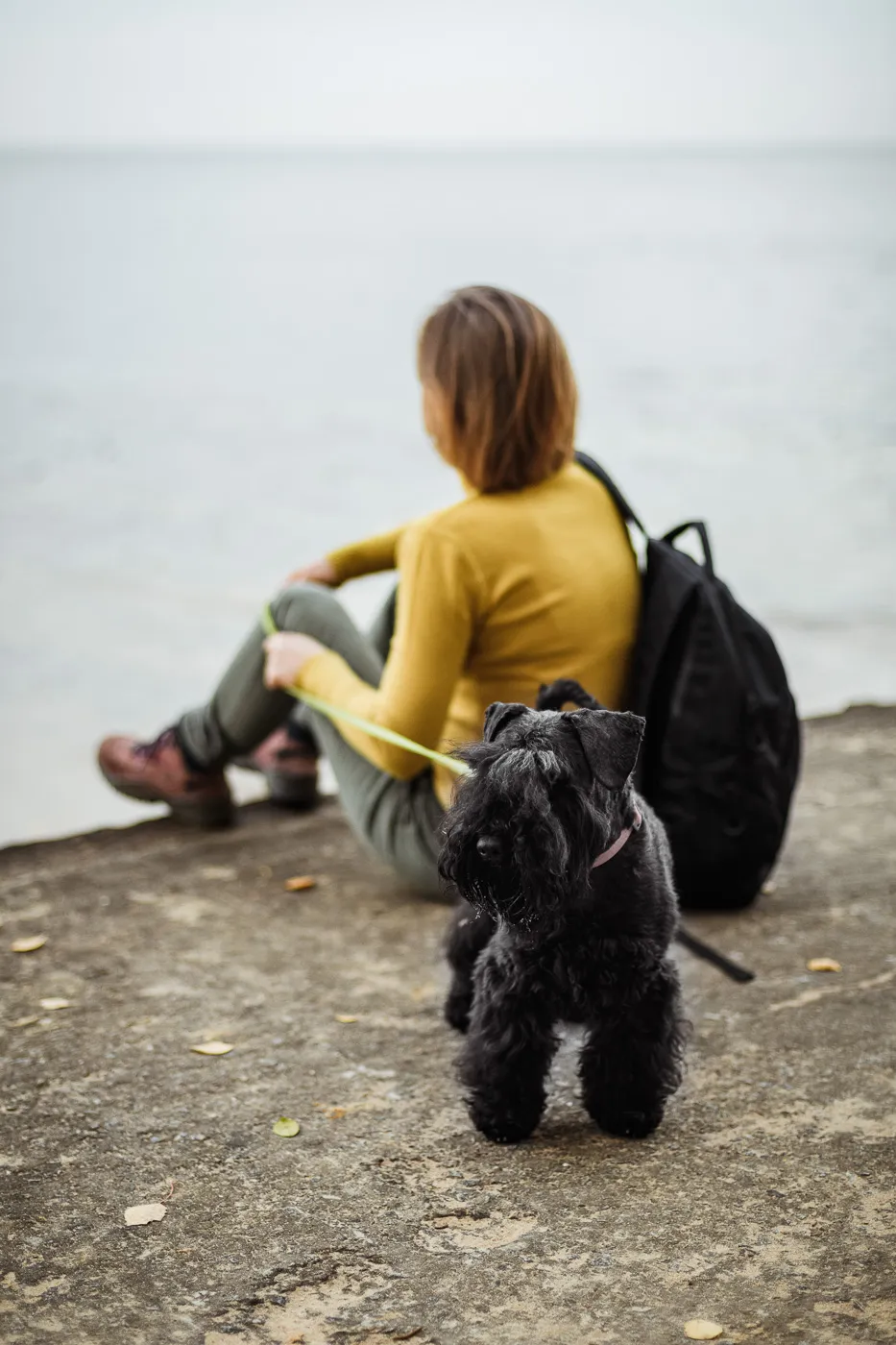
Miniature Schnauzers are active dogs. They need regular walks, play, and time with their people; the exact routine depends on the dog’s age, health, and temperament.

They also benefit from activities that engage their minds, such as training, scent games, or dog sports. A balanced routine helps a Schnauzer relax at home and prevents boredom.

How active are Miniature Schnauzers? How much daily exercise do they need?
Do Miniature Schnauzers get along with other pets?

— Do Miniature Schnauzers get along with other pets?

Miniature Schnauzers are sociable and often learn to live well with other household pets. A puppy may be curious about a cat and try to make friends, so introductions should be gradual and supervised.

Give each animal space and time to adapt. A calm introduction and consistent guidance help the pets build a safe relationship.

Can Miniature Schnauzers stay home alone for a while?

— Can Miniature Schnauzers stay home alone for a while?

Miniature Schnauzers learn routines quickly. If you plan to leave your dog at home, gradually teach the puppy to spend short periods alone from an early age.

Sudden long absences can cause anxiety, barking, or destructive behavior, especially if the dog is used to having the family at home all day. Begin with a safe room and engaging toys, then increase the time and space gradually.

Do Miniature Schnauzers shed? How should their coat be cared for?

— Do Miniature Schnauzers shed? How should their coat be cared for?

Schnauzers have a wiry coat and do not usually shed seasonally like many breeds. Their coat still needs regular care. The body has a coarse topcoat and a softer undercoat, while the legs and face have softer hair.

Most dogs need hand-stripping every four to six months, depending on coat growth, plus regular brushing and undercoat care. The beard, eyebrows, and leg furnishings need frequent combing and washing. Many owners also visit a groomer for trimming and hygiene care.

Ask your breeder to recommend a groomer experienced with Schnauzer coats. Regular grooming keeps the coat healthy and the dog comfortable.

Do Miniature Schnauzers have a doggy odor, and are they suitable for people with allergies?

— Do Miniature Schnauzers have a doggy odor, and are they suitable for people with allergies?

Miniature Schnauzers do not usually have a strong doggy odor, although like any dog they need regular bathing. A slight smell may appear several days after a bath. Odor from the mouth or ears can indicate a health issue and should be checked by a veterinarian.

Because they shed very little, some people with allergies choose Schnauzers. However, no breed is guaranteed to be allergy-free. Spend time with the breed before choosing a puppy to see how you react.

What health conditions are common in the breed?

— What health conditions are common in the breed?

Miniature Schnauzers are generally healthy and often live around 12–15 years. They can gain weight easily, so portion sizes and treats need attention. Digestive conditions such as pancreatitis or gastritis may be associated with unsuitable feeding or abrupt food changes.

Some dogs may have food sensitivities. Itching, ear irritation, or dandruff can be signs worth discussing with a veterinarian and the breeder. Genetic tests are available for recognized inherited conditions, and responsible breeders use the results when choosing breeding pairs.

Other health problems, such as dental disease, infections, or ear inflammation, can affect dogs of any breed. Regular veterinary care and a suitable diet support a long, healthy life.